WAGYU GUIDE · November 2026
Wagyu, brand beef and A5: what the names mean
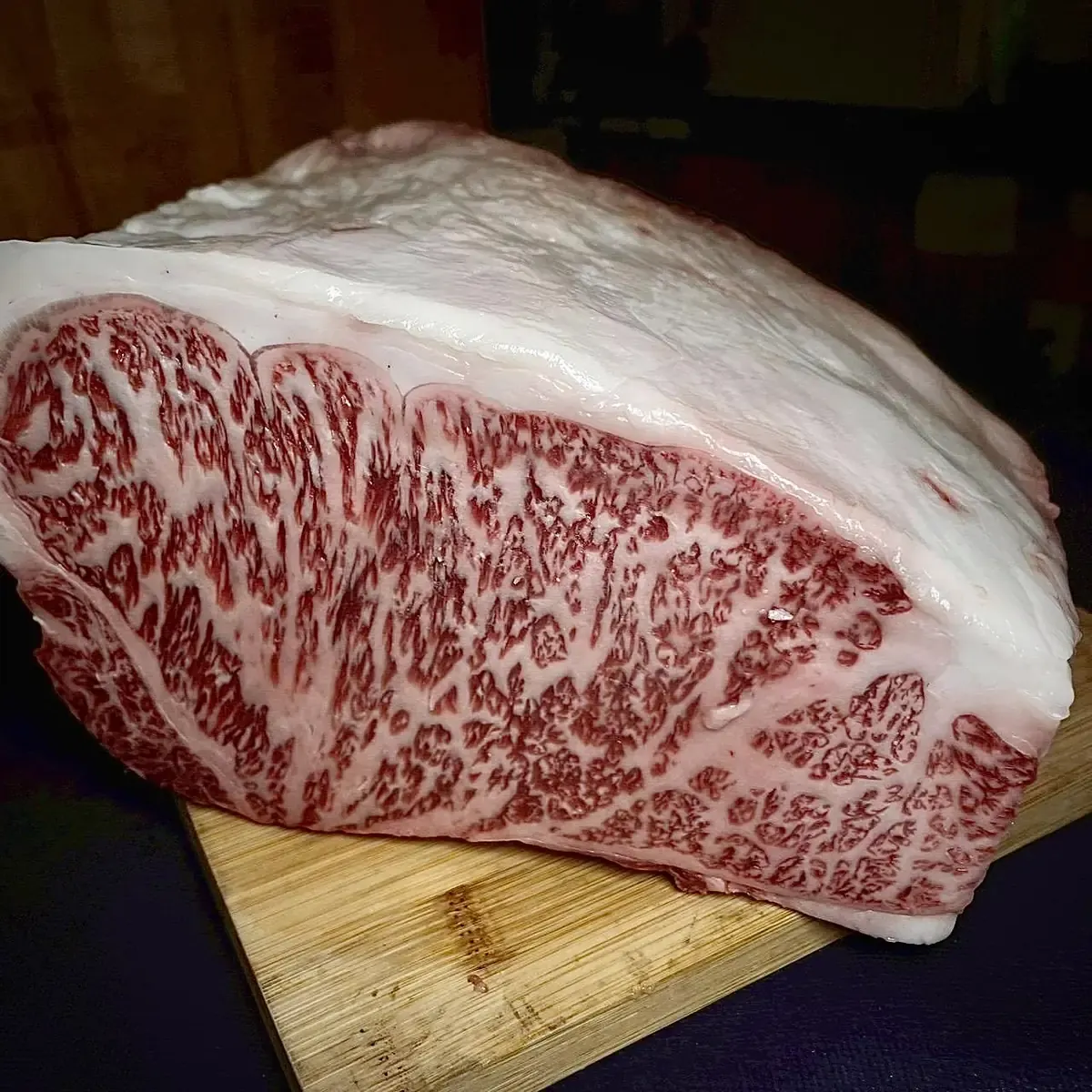
On menus in Japan you will see words like wagyu, Matsusaka beef and A5. They are related, but they do not mean the same thing. Here is a short guide, so you know what you are ordering.
“Wagyu” is a breed, not a brand
In Japan, only beef from four Japanese cattle breeds — Japanese Black, Japanese Brown, Japanese Shorthorn and Japanese Polled — and crosses between them may be sold as wagyu (和牛). The cattle must also be born and raised in Japan, which is checked through the breed registry and the national cattle traceability system.
Most wagyu you will eat is Japanese Black. Domestic beef (国産牛) is a different label: it simply means the animal was raised mainly in Japan, and it can be any breed. Wagyu-breed cattle raised abroad are sold in Japan as imported beef, not as wagyu.
Brand beef: a place, and a set of rules
Brand beef (銘柄牛) is wagyu raised in a particular region under rules set by a local association. Japan has hundreds of beef brands. Each one decides its own standards — the breed, where and how long the cattle are raised, who raises them, and sometimes a minimum grade. Here are the two brands we serve:
- Matsusaka beef (Mie): Japanese Black heifers that have never had a calf, brought into the Matsusaka production area by about 12 months of age and raised there longest and last. Every animal is registered in the Matsusaka beef identification system, and comes with a certificate.
- Hida beef (Gifu): Japanese Black cattle raised longest in Gifu Prefecture by registered farmers, fattened for at least 14 months, and graded 3 or higher for meat quality.
So all Matsusaka beef and Hida beef is wagyu — but not all wagyu is brand beef.
What “A5” really means
The grade comes from the Japan Meat Grading Association, which grades each carcass. It has two parts:
- The letter (A, B or C) is the yield: how much meat the carcass gives. A is the highest. It says nothing about taste.
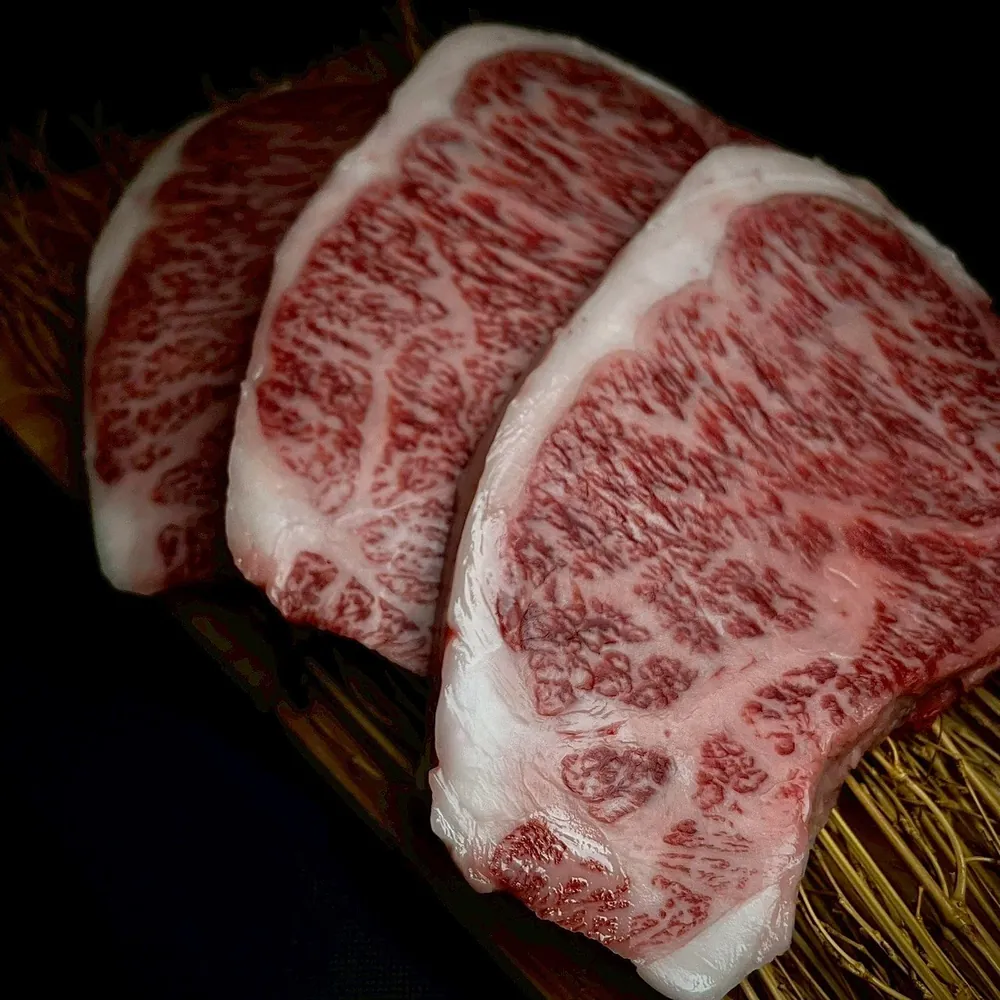
- The number (1 to 5) is meat quality, judged on four points: marbling, the color and shine of the meat, its firmness and texture, and the color and quality of the fat. The lowest of the four becomes the grade.
A5 is the top of both scales. It is a reliable sign of rich marbling — but it is a grade for the carcass, not a promise that every cut will suit your taste. Leaner cuts from a lower grade can be just as delicious.
Grades apply to the carcass meat only. Offal cuts such as outside skirt, hanging tender, tongue and small intestine are not graded, so you will not see “A5” on them. For those cuts, freshness matters far more than any grade.
How we use them at Yakiniku Tono
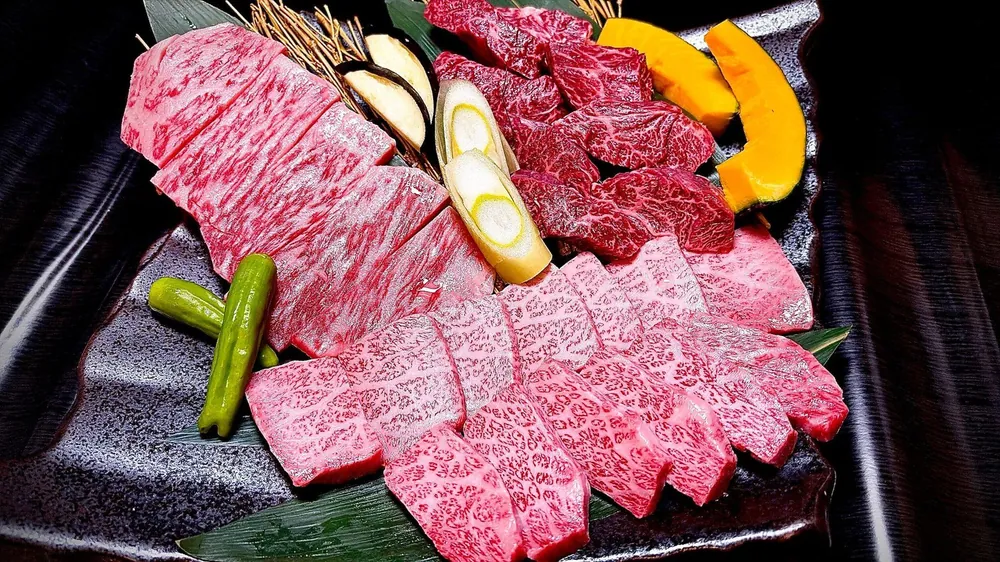
We serve each brand where it is at its best: A5 Matsusaka beef as sirloin, from one farm in Iitaka, Matsusaka; and Hida beef outside skirt, Hida beef hanging tender, Hida beef tongue and Hida beef small intestine, delivered from Hida-Takayama the day after processing. Our other wagyu cuts are carefully chosen, mostly A5.
You can read more in Two wagyu brands, each at its best.
Words to look for on a Japanese menu
- 和牛 — wagyu (one of the four Japanese breeds, born and raised in Japan)
- 黒毛和牛 — Japanese Black wagyu
- 国産牛 — domestic beef (raised in Japan, any breed)
- 松阪牛 — Matsusaka beef · 飛騨牛 — Hida beef
- A5 — top yield and top meat quality
At our restaurant you do not need to read Japanese: the tablet menu is in English and Chinese, with photos.